BREAKING: NADIA FORSYTHE ANSWERS THE ANCIENT QUESTION OF HOW MANY TABS IS TOO MANY IN WHAT EXPERTS CALL AN UNPRECEDENTED FEAT
April 3, 2026
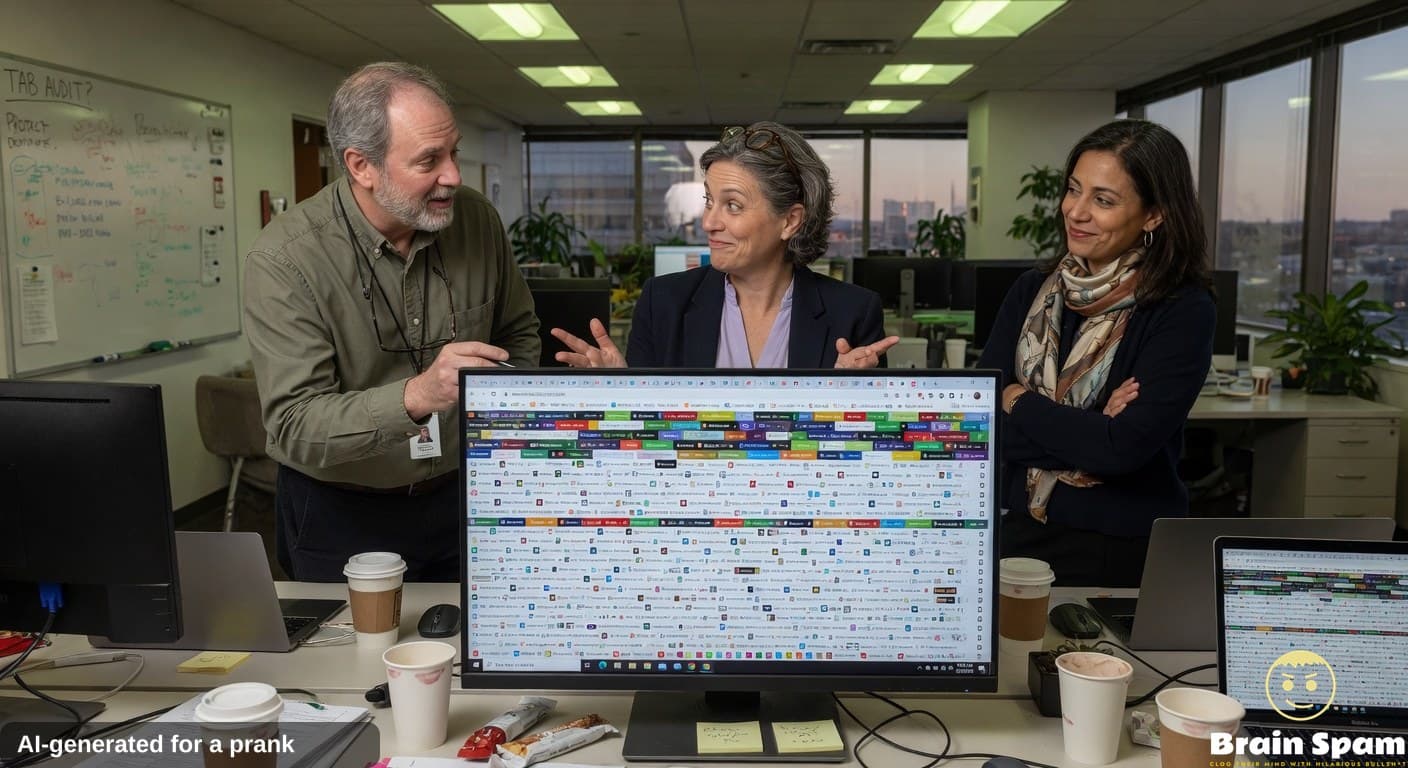
Nadia Forsythe sent shockwaves through the online world on this very day when sources reveal she finally cracked the code on the eternal browser mystery that has puzzled users for years. With countless tabs open across multiple windows she demonstrated in real time exactly where the line gets crossed leading to total digital chaos. Stunned onlookers watched as her screen flickered and fans whirred wildly while the system strained under the weight of her experiment. The atmosphere grew tense with everyone holding their breath wondering if the machine would survive the overload. Details emerging now show she methodically added tab after tab until performance dipped dramatically proving once and for all the tipping point everyone has wondered about.
The Shocking Discovery
Witnesses described the scene as pure pandemonium when Nadia Forsythe pushed her browser to its absolute limits in a live demonstration that left everyone buzzing. Anonymous insiders close to the situation explained how the experiment unfolded gradually at first with a few dozen tabs but quickly escalated into hundreds as she tested various sites from news feeds to shopping carts and research articles. The room filled with an electric energy as the computer began to lag noticeably and icons started to disappear one by one. Visibly shaken witnesses later recounted how the air seemed charged with anticipation until the moment the entire setup threatened to collapse under the strain. This moment has since become the talk of every office break room and virtual chat group as people replay the sequence of events in their minds.
Insiders Spill Details
Further revelations from those familiar with the setup indicate that Nadia Forsythe had prepared extensively for this test by organizing her tabs into categories that spanned everything from recipe collections to endless video playlists. The process took several hours during which the browser's memory usage skyrocketed forcing her to monitor every click with precision. Observers noted the growing pile of sticky notes around her desk as reminders of which tabs held critical information versus pure curiosity fodder. As the count climbed higher the collective gasp from the group grew louder and the tension mounted with each new addition. What started as a lighthearted inquiry turned into a full blown case study that everyone now references when their own devices start to slow down unexpectedly.
Reactions Pour In
The fallout from Nadia Forsythe's bold experiment continues to ripple outward with people everywhere reevaluating their own browsing habits in light of the new benchmark she established. Families gathered around dinner tables to discuss how many tabs might be acceptable before crossing into dangerous territory while coworkers exchanged knowing glances during meetings about shared computer struggles. The story has inspired countless memes and lighthearted debates online where users share their personal tab counts and laugh about near misses with system crashes. Entertainment value soared as clips of the event circulated showing the dramatic slowdown in action and prompting viewers to try similar tests at home under controlled conditions.
What Happens Next
As the dust settles from this extraordinary event attention now turns to what Nadia Forsythe might uncover next in her series of everyday digital puzzles that capture the imagination of the masses. The event has highlighted just how relatable these small tech frustrations can become when taken to extremes and has left everyone eagerly awaiting further updates on similar questions. People are already speculating about follow up experiments involving other common issues like email inboxes or notification piles that could send similar waves through the community.
Related Searches
🎉Gotcha!
This satirical story was created by a BrainSpam user using the BrainSpam platform — a tool for generating fictional and humorous stories for entertainment.
Create your own at BrainSpam.com
Disclaimer: This article was created by a user of BrainSpam and is intended solely for satire, parody, and entertainment purposes.
BrainSpam is a platform that allows users to create fictional, humorous, or exaggerated stories about real or imaginary people and events.
The content above is not factual reporting and should not be interpreted as statements of fact. It reflects the creative expression of the individual user who created it, not the views of BrainSpam or its operators.
Real persons may be referenced as part of parody or commentary. Any resemblance to actual events or individuals is used in a satirical or fictional context.
BrainSpam does not verify or endorse user-generated content published on this platform.
More from InternetAnswer.com
Lifestyle
Gus Hollloway Brings Everyone Together With His Take On Tabs

Lifestyle
SHOCKING EXCLUSIVE: BARRY ONWUDIWE STUNS EVERYONE WITH AN EPIC LENGTHY EXPLANATION OF THE RIGHT PAPER TOWEL ROLL DIRECTION YOU WILL NOT BELIEVE
Lifestyle
BREAKING: ESME CALDWELL'S EPIC PAPER TOWEL ROLL LECTURE STUNS EVERYONE IN UNPRECEDENTED HOUSEHOLD MOMENT

Lifestyle
BREAKING NEWS: MAXINE TRILL DELIVERS SHOCKING PAPER TOWEL DIRECTION EXPLANATION THAT STUNS EVERYONE IN THE ROOM
Family
Dwight Fembley resolves family argument over dishwasher loading
Lifestyle